The felling of trees is another of the main environmental problems since they are using human activity, agriculture and the wood industry to make paper, leaves, products and objects in wood.
Therefore, each year approximately more than 13 million hectares of forest have been cut down around the world and it could reach the point of its extinction and the moment of extinction of living beings could also come, since trees are very important to life.
They are the main food product in the trophic chain thanks to their method of photosynthesis, they are also called as the lungs of the planet since they convert carbon dioxide into oxygen and oxygen is taken by living beings to survive since the oxygen is essential for them.
And because of the felling of trees there have been many problems and a few of those problems are:
1. The loss of forest resources, environmental services and biodiversity and ecosystems.
2. Desertification or erosion.
3. The contribution to climate change and global warming.
4. Natural phenomena.
5. Ecological imbalances.
6. The weakening of the quality of life.
7. Every second an acre and a half of forest is cut down.
8. Up to 28,000 species are expected to become extinct within the next quarter century due to deforestation.
9. Deforestation affects the water cycle.
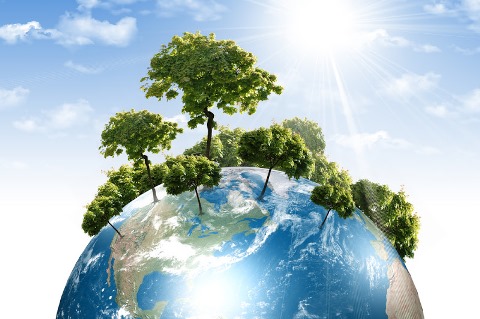
Solution to the problem of tree felling
1. Make An Adequate Territorial Order:
Land use planning provides a strategic framework to balance land uses at the national, sub-national and territorial levels.
2. Implement Sustainable Agriculture: Due to the growing global demand for food and other products from the earth, highly productive territories managed in a sustainable way will be necessary.
3. Promote Food Security: This can be achieved through the implementation of social protection systems and training in new food production technologies such as vertical farming and hydroponics, rather than promoting the indiscriminate expansion of agricultural areas at the expense of forests.
In turn, forests play an essential role in the water cycle, soil conservation, carbon fixation, and habitat protection. Its sustainable management is crucial to achieve sustainable agriculture and achieve food security.
4. Prevent Forest Fires: Many of the fires are intentional and the vast majority are man-made, careless or negligent. Knowing how to avoid fires is essential to enjoy nature and so that other people can also enjoy it.
5. Foster Forest Protection Communities: Another type of forest ecosystems is possible, enhanced by a new forest and rural policy where there is a communal property in which the population benefits from the forests and in the same way is in charge of their care, preservation and growth. To prevent these large fires from being generated, it is important to have trained personnel within the community itself to control activities in the forests, and it is essential that the benefits generated by forest ecosystems fall directly on the inhabitants of these communities.
6. Demarcate Stable And Diverse Forests: Creating more stable and diverse indigenous masses not only favors the expansion of forests but also the water cycle.
7. Create Protected Forest Areas: Finally, protected areas or areas of greater ecological value must be planned in a differential way. That is, assigning as protected areas those places with species and ecosystems that society has considered important to conserve.
In conclusion, man considers the forest as a space to clear and develop other activities such as agriculture or livestock, and as long as this behavior does not change, deforestation will continue to occur and thus protect one of the most valuable ecosystems in the world, by containing a high percentage of the planet's biodiversity The felling of trees is another of the main environmental problems since they are using human activity, agriculture and the wood industry to make paper, leaves, products and objects in wood.
Garbage Pollution
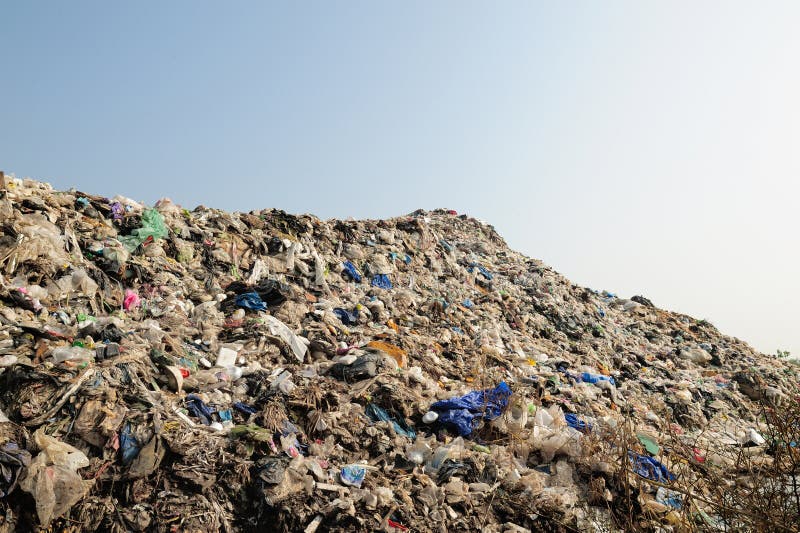
Garbage contamination occurs when a waste is unusable, rots and therefore begins to have an unpleasant smell and this waste is called inorganic waste such as iron cans, paper, plastic, pieces of glass or food scraps, bones of animals, vegetable peels, etc. And even though people think and believe that garbage can be burned to cope with this problem.
And it is not like that since great damage is generated both in the air and in people since a lot of toxic particles will be livera that can be introduced through the respiratory tract and could generate several diseases in humans and to solve it we will see which ones are its causes and the various solutions to end this problem.
Causes Of Garbage Contamination
1. Air pollution: If waste is not properly managed, it emits toxic gases into the atmosphere that cause toxic fog (smog), the greenhouse effect, acid rain or damage to the ozone layer. With all the effects that these problems have on the planet and on people's health.
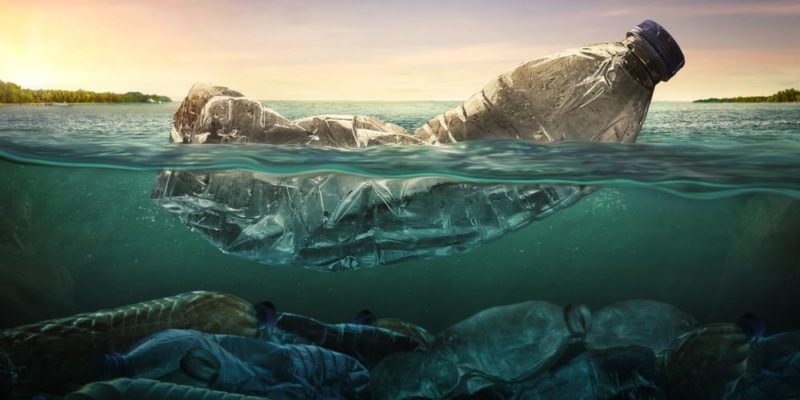
2. Water contamination: The seas, rivers, lakes indiscriminately accumulate garbage and waste that, when decomposed, degrades the quality of the water. Just look at the images of the island of plastic in the Pacific, about 1.4 million square kilometers of debris floating adrift. More than 1,300 marine species already suffer the impact of waste in the sea.
3. Soil contamination: The incorrect storage of waste, its intentional or accidental dumping, the accumulation of rubbish on its surface or the burial thereof, as well as leaks in surface or underground tanks due to breakdowns or deficient infrastructure are some of the main causes of soil contamination. . In addition, air and water pollution has an effect on the planet's temperature, on the sea level and this affects crops, plants and forests, since the physical, chemical and fertility properties of the soils.
4.Higher energy cost: If it is not recycled or reused properly and waste is disposed of simply, it will take more energy to produce raw materials again. And we will be wasting natural resources that can be reused.
5.Disappearance of natural resources: Not recycling and reusing has the consequence of an increase in the production of the products we consume every day. There will come a time when these will be scarce and there will not be enough to cover the needs of the entire world population. It will also mean the disappearance of some ecosystems and natural habitats.
Solution to the problem of garbage accumulation

To reduce: is to prevent at source, on the one hand the formation of waste, on the other hand the toxicity of the waste. It is necessary to modify both the production processes and our consumption habits, acquiring only necessary products while planning purchases.
What I can do? Avoid overpacking, reduce “throwaway” products (such as aluminum foil, plastic trays, tetrabrick containers); reduce the use of plastic bags in shopping; purchase products that use reusable and / or recycled materials; reduce the use of PVC (containers, packaging, construction objects), avoid unnecessary consumption.
Reuse: means reusing a product and taking this into account when we purchase the product. Many products can be creatively reused, giving a new utility to the object that we would otherwise throw away. Thus, the useful life of the product or packaging is extended.
What I can do? Use returnable glass containers; When using the paper for writing or printing, take advantage of both sides; use non-disposable coffee filters; seek new uses or use for the design of new objects.
Replacing: requires the purchase of products with a long life, biodegradable, non-toxic and lower environmental impact.
What I can do? Choose other alternatives to toys that are battery-operated or made of plastic; use tissues instead of tissues; choose notebooks with cardboard covers instead of plastic; buy glass containers instead of plastic or cans
Recycling recycling allows the reintroduction of different materials in production cycles, saving raw materials and reducing the flow of waste that goes to final disposal treatments. However, the fact that a product is recyclable, as indicated in many of them, does not necessarily imply that it will be recycled. The materials that are most easily recycled today are organic matter, glass and paper.
What I can do? Organic waste can be "composted" to be used as compost for home or rural use; cardboard, plastic, paper, glass, metal, can be useful for some companies or cooperatives that recycle them.
What is a terrarium?
A terrarium is a container in which it is tried to reproduce, artificially, the conditions of a specific habitat to create a garden or to create the ideal environment for a reptile or a group of insects.
It is also defined as a closed and controlled space that aims to reproduce the characteristics of the environment in which certain living beings inhabit. In this way, it seeks to facilitate the survival of animals in this type of captivity.
Terrariums can be made of a variety of materials, such as glass, wood, or polyvinyl chloride. One of the faces of the terrarium must be transparent so that it is possible to observe, from the outside, what happens inside.
What are types of terrariums
There are different types of basic terrariums connected to ecosystems that can be reproduced in them.
Desert: it is the most recommended type of habitat for those who are beginners in the world of terrariums. This is because you don't need to worry about humidity and the temperature issue is more flexible. More resistant plants are used in these terrariums and they are also the habitat for reptiles or insects that live in this type of environment in nature.
Forest: they can be warm or cold. In some cases they include a special container with water to recreate a lake or lagoon, for the animals that live in these habitats such as humid forests.
Tropical: experts say that it is the most difficult to build and care for, due to the maintenance of the temperature and because the same high temperature encourages the formation of bacteria that can be harmful to the plants or animals that live in the terrarium.
1. Glass jar, reuse one, sure you have a lot on hand.
2. Masking tape.
3. Small stones.
4. Activated carbon.
5. Earth.
6. Medium-sized stones for garnish.
7. Seedlings. You must select plants that are sufficiently
8. small for the glass container. If it grows too long, it will make the terrarium look cramped. The use of: Tillandsia stricta, Pilea involuta, Cyathus bivittatus, Fittonia verschaffeltii var. Argyoneura and assorted succulents.
Todos estos elementos puedes conseguirlos de forma sencilla, usa todo lo
que puedas reciclado.

How to make a terrarium?
1. The procedure described is useful for a horizontal or vertical terrarium.
2. Wash the pot and the stones to avoid the proliferation of fungi.
3. Small stones are placed at the bottom of the pot, which will serve as drainage.
4. Place a thin layer of activated carbon. It will keep the water fresh and fight any bacterial growth in your terrarium.
5. Place a first layer of soil, trying to cover the entire terrarium.
6. Put the seedlings in the arrangement that we consider most appropriate. It is recommended to use those that need a high degree of humidity.
7. Once the plants are in place, their roots are covered with soil. You can evaluate if you place moss (do not take it from the field), as it is a soil conditioner and beautifies the terrarium. Don't take moss from nature.
8. The decoration can be completed by placing stones of different sizes.
9. Spray water with a spray bottle two or three times, no more. This will allow to nourish the plant, which will recycle it through respiration. Once this step is completed, the terrarium can be closed.
10. You can place a decorative figure to highlight the beauty of the DIY piece.
My Terrarium
The stones
The earth.
Why Is It Important To Save The Planet?




Comentarios
Publicar un comentario